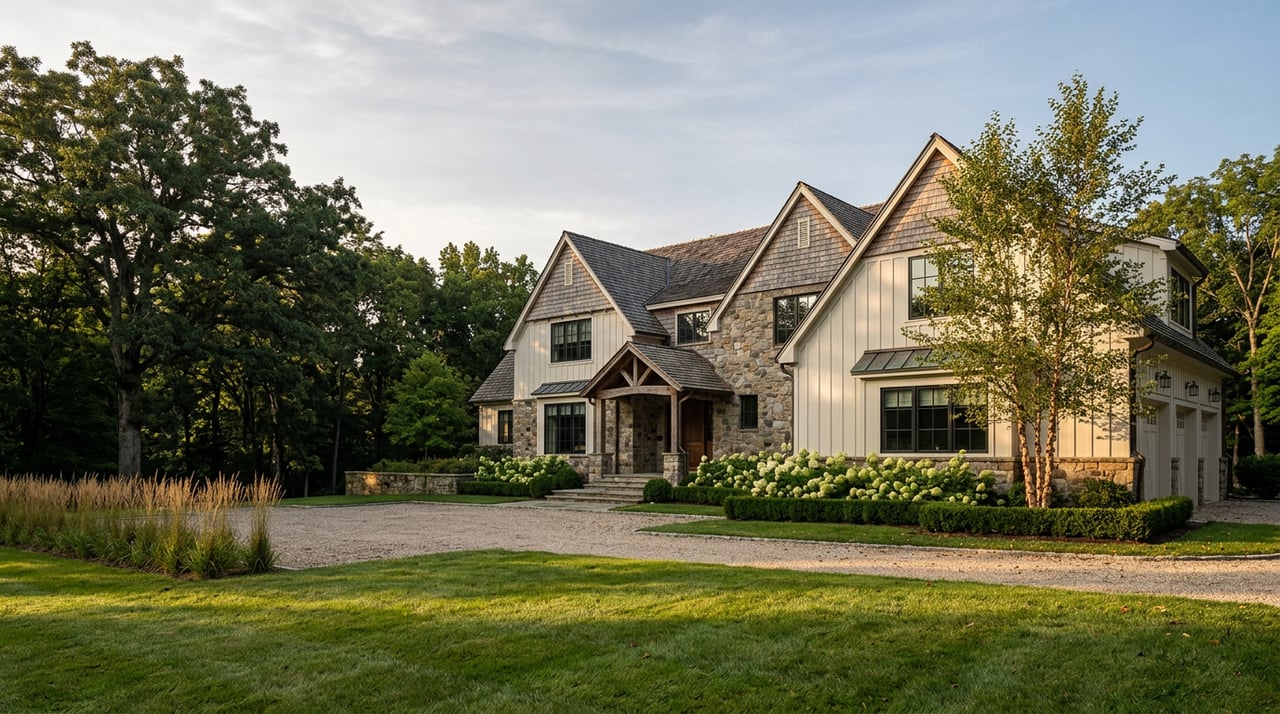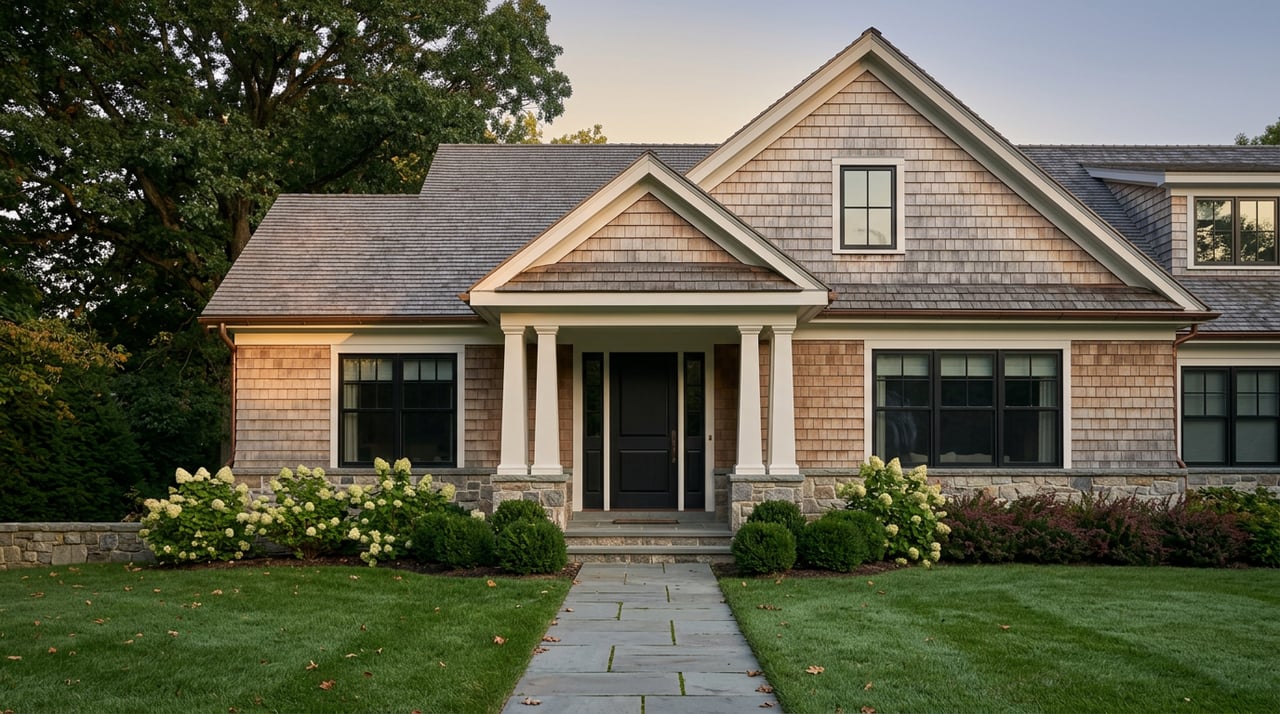
Two buyers toured Wayzata listings in the same week this spring. Both descriptions used the same three words: lake access. One buyer pictured a private dock with her name on the paperwork by Memorial Day. The other left her showing with a much longer explanation from her agent about lottery odds, waiting lists, and a city ordinance she'd never heard of.
Same phrase, two entirely different products. That gap is the thing worth understanding before you write an offer on anything near Lake Minnetonka, because "lake access" in Wayzata isn't one arrangement with variable pricing. It's three separate legal systems, each with its own rules, its own timeline, and its own answer to the only question that matters: will I actually be able to put a boat in the water this summer.
Three Systems, One Marketing Phrase
The first is true riparian frontage, where your property line meets the water and the right to a dock comes with the deed, subject to the Lake Minnetonka Conservation District's rules on size and density.
The second is deeded or shared-dock access through a homeowners association, where you don't own frontage yourself but your building or subdivision does, and you're granted a slip or beach privilege as part of that ownership. This is the arrangement behind many townhome and condo developments marketed as walking distance to the water.
The third has nothing to do with any specific property at all. It's the City of Wayzata's own municipal marina, a shared public resource that any eligible resident can apply to use regardless of what kind of home they own.
Each system answers the question of "can I dock a boat here" differently, and a listing that simply says "lake access" tells you nothing about which one you're buying into.
What True Frontage Actually Caps You At
Owning shoreline sounds like it should mean unlimited say over what happens at your water's edge. The LMCD's density rule says otherwise. As the district put it in a recent seasonal reminder to homeowners, you can generally store "one (1) watercraft per 50 feet of continuous shoreline, regardless of ownership." A 45-foot lot, in other words, doesn't round up.
There's a carve-out for older properties. Shoreline that existed before August 30, 1978 is allowed two watercraft regardless of frontage length, a grandfather clause that means two neighboring lots of identical width can have different boat allowances depending on when the parcel was platted. Beyond that, a property can qualify for four or five watercraft only if it meets specific conditions and secures a license from the district.
Your dock also has to sit inside an Authorized Dock Use Area, a zone defined by setbacks from your extended side property lines projected out into the lake. This is worth confirming before you assume a wide lot automatically means room for a bigger dock system. Frontage gives you the right to apply. It doesn't automatically hand you the configuration you're picturing.
The Deeded-Access Shortcut, and Its Fine Print
Deeded access exists precisely because true frontage is scarce and expensive, and it lets buyers reach the lake without owning shoreline themselves. The Herzog Association is one example of this model in Wayzata, offering eligible owners a beach, picnic grounds, a day dock, and boat docks on Wayzata Bay as a shared amenity, with a waiting list for those slips.
That last detail matters more than it sounds. A shared-dock HOA can hand you the same summer experience as frontage ownership, at a lower purchase price, but the number of physical slips is fixed regardless of how many owners the association adds over time. Buying into the association gets you eligibility, not automatically a slip on day one, and the resale terms, transfer rules, and current wait times live in the HOA's own bylaws rather than in Minnesota's public water regulations. Two deeded-access buildings a block apart can have completely different track records on how long a new owner actually waits.
The City's Own Waitlist: 100 Slips, One Lottery Day
The third system is the one buyers are least likely to know exists before they move to Wayzata, because it isn't tied to any single property. The city maintains a 100-slip municipal marina at Barry Avenue and Grove Lane, and the slips are allocated through an annual lottery held every first Tuesday in March.
Applications open November 1 and close the first Tuesday in February, and the city has said it averages about three to five openings a year across those 100 slips. Priority is assigned in four tiers: Wayzata residents first, then non-resident property owners in Wayzata, then people who work in the city, then everyone else.
| Priority Class | Who Qualifies |
|---|---|
| Class 1 | Residents of Wayzata |
| Class 2 | Non-resident property owners in Wayzata |
| Class 3 | People who work in Wayzata |
| Class 4 | Everyone else |
Even for eligible applicants, the boats themselves are constrained: no more than 26 feet in length, an 8.5-foot beam, and a 36-inch draft. Win a slip and it's yours to renew annually, but with only a handful of openings a year split across four priority classes, a Class 4 applicant is realistically looking at a long wait behind residents who reapply every season. This system rewards patience and Wayzata residency more than it rewards a strong offer on the right house.
What Guessing Wrong Costs You
The reason this matters for pricing is that Wayzata's headline numbers blend all three systems into one misleading average. Across the full 2025 calendar year, transacted sales tied to Lake Minnetonka averaged roughly $1.08 million, a figure that mixes a shared-dock townhome with a true-frontage estate on Ferndale and reports the midpoint as if it describes either one.
Segment-specific numbers tell a sharper story. In February 2026, a handful of Wayzata lakefront closings averaged about $4.23 million with roughly 211 days on market, reflecting a thin, patient buyer pool willing to wait for the right true-frontage property. In July 2025, lakefront sales moved faster and cheaper, averaging closer to $2.01 million with about 64 days on market, a reminder of how much lumpy, low-volume luxury segments can swing month to month. As of spring 2026, active waterfront listings across the broader lake carried an average asking price near $2.84 million, about $545 per square foot.
Meanwhile, the city's smoothed home value index, which folds in every non-waterfront sale alongside the lake homes, sat near $940,000 as of August 2026. That single citywide figure is accurate and almost useless for pricing anything specific, because it can't tell you whether the home behind it came with deeded frontage, an HOA slip and a waitlist, or no water access at all. The spread between $940,000 and $4.23 million isn't noise. It's the price of the access tier, and treating Wayzata as one market instead of three is the single most common mistake buyers and sellers make here.
A Short Diligence List Before You Write an Offer
- Ask whether the shoreline predates August 30, 1978. That date decides whether a lot under 50 feet still qualifies for two watercraft under the LMCD's grandfather rule.
- Request Boat Storage Unit transfer paperwork on any listing with an existing dock, so you know the dock rights are documented and actually transferable at closing.
- For deeded-access properties, ask the association directly for its resale disclosure certificate and current wait list length rather than relying on the listing description.
- For anyone counting on the municipal marina, confirm current priority class eligibility and remember the math: roughly 3 to 5 openings a year against four tiers of applicants.
- Confirm the property's Authorized Dock Use Area setbacks before assuming your frontage supports the dock configuration you have in mind.
A Few Direct Questions
Does a dock right automatically transfer when a lakefront home sells? Riparian rights attached to true frontage generally transfer with the deed, but you should still verify existing dock documentation and any Boat Storage Unit paperwork at closing rather than assuming everything is in order.
Can a wide lot get more than two boats? Under the LMCD's general rule, a property with more than 100 feet of continuous shoreline can support more than two watercraft on density alone. The 1978 grandfather clause is a separate, narrower provision that lets qualifying older parcels keep two boats even on lots under 50 feet. Anything beyond that requires a license from the district.
Is the municipal marina worth applying for if I'm not a Wayzata resident? It depends on your patience. Non-residents are Class 2 or lower, and the roughly 3 to 5 annual openings across all 100 slips go to whichever priority class has demand that year. It can be a longer wait than shopping for a deeded-access property instead.
What should I do if a listing just says "lake access" with nothing else? Ask which of the three systems it refers to before you get attached to a number. The phrase alone tells you nothing about cost, timeline, or whether a slip is guaranteed at all.
Sorting through which system applies to a specific address, and what it actually means for your budget and your summer plans, is exactly the kind of detail that separates a smooth closing from a surprise in escrow. If you're comparing Wayzata properties and want a clear read on what the water access actually gets you, The Fowke Weber Team is happy to help you sort it out. Get in touch and we'll walk the specifics with you before you write an offer.