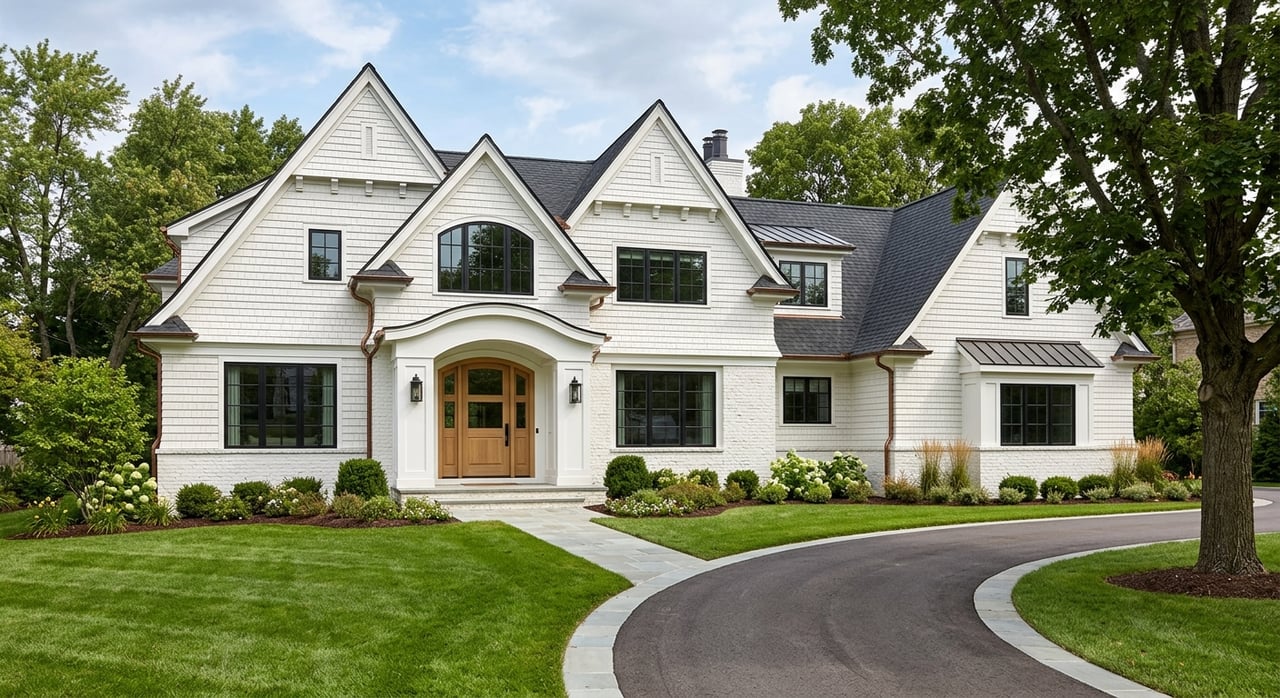
Buying in Minnetonka can look simple on paper, but the right decision usually comes down to more than price. You may be weighing commute routes, trail access, school district boundaries, monthly carrying costs, or how much work an older home might need in the next few years. If you want to buy with both lifestyle and long-term value in mind, Minnetonka rewards a careful, informed approach. Let’s dive in.
Why Minnetonka Draws Buyers
Minnetonka offers an established west-metro setting with strong owner occupancy and a wide range of housing choices. According to the Census Bureau’s 2020-2024 ACS estimates, the city has 53,969 residents, 23,515 households, a 71.6% owner-occupied housing rate, and a median owner-occupied home value of $475,800.
Those numbers help explain why many buyers see Minnetonka as a long-term move rather than a short stop. It is a market where your day-to-day fit matters, but so do the numbers behind the purchase, including mortgage payment, upkeep, and future resale appeal.
Look Beyond the Purchase Price
In Minnetonka, monthly housing costs can shape affordability just as much as the offer amount. Census estimates show median monthly housing costs of $2,540 for owners with a mortgage, $978 for owners without a mortgage, and $1,779 for renters.
That means your true budget should include more than principal and interest. You will want to think through property taxes, insurance, utilities, association dues if applicable, and likely maintenance costs, especially if you are considering an older detached home.
Housing Age Matters in Minnetonka
One of the biggest factors for buyers here is the age of the housing stock. The city’s 2026-2030 Economic Improvement Program says nearly two-thirds of homes were built between 1950 and 1970, and more than 75 percent of the housing stock is 30 years old or older.
For you, that makes condition a major part of the home search. An attractive layout or location may still come with upcoming repair needs involving windows, roofing, or heating systems, so it is smart to compare not just charm and finishes, but also the age and condition of major components.
Ask About Major Systems Early
When you tour homes, ask direct questions about the big-ticket items. A home with updated mechanicals and exterior components may offer more predictability than one with a lower list price but several deferred maintenance issues.
A practical checklist should include the approximate age of the roof, windows, and heating system. In an established city like Minnetonka, those details can affect both your near-term costs and your confidence when making an offer.
Compare Housing Types Carefully
Minnetonka is not a one-product market. The Metropolitan Council’s 2024 housing estimate reports 27,117 housing units, including about 51.3% single-family detached homes, 37.6% multifamily units, 9.9% townhomes, and 1.1% duplex, triplex, or quadplex units.
That mix gives you meaningful choice. You can compare older detached homes with yard space, attached homes with shared maintenance, or condo options that may better fit a lower-maintenance lifestyle.
Newer Construction Is Part of the Picture
The city recorded 625 residential permits in 2024, which was one of the highest totals in the region. That does not erase the reality of an older housing base, but it does mean buyers may find newer or recently improved options alongside more established homes.
This is where an analytical comparison helps. Instead of focusing only on square footage or finishes, compare repair risk, maintenance responsibility, dues, and renovation potential across each property type.
HOA and Shared Maintenance Deserve Extra Attention
If you are buying a condo or townhome in Minnetonka, association details should be part of your decision from the start. Under Minnesota’s Common Interest Ownership Act, resale buyers are entitled to key association documents, including the declaration, bylaws, rules, amendments, and a resale disclosure certificate dated within 90 days.
That certificate includes important information such as periodic assessments, unpaid charges, reserve information, budget documents, insurance coverage, litigation, and other material matters. If the required information is not delivered more than 10 days before signing, the buyer generally has a 10-day right to cancel.
Private Roads Can Change Monthly Costs
Minnetonka notes that private roads are typically maintained by associations. So if a home sits in a shared-maintenance community, you should understand who handles snow service, pavement upkeep, and long-term repair planning.
That makes reserve funding and special-assessment history especially important. Two homes with similar asking prices can lead to very different monthly and long-term costs once association responsibilities are factored in.
Location Within Minnetonka Changes Daily Life
Minnetonka’s road network centers on I-394, I-494, Highway 7, and Highway 169, along with major county corridors such as Excelsior Boulevard, Minnetonka Boulevard, Eden Prairie Road and Woodhill Road, Hopkins Crossroad, County Road 62, and County Road 101.
For you, that means location is not just about the street name. It is also about how quickly you can reach work, errands, recreation, or regional routes depending on your routine.
Think Through Your Commute Style
The Census Bureau reports a mean commute time of 19.3 minutes, but your own experience will depend on where in the city you buy and how you travel. Some buyers prioritize quick highway access, while others care more about trail connectivity or transit options.
Metro Transit serves Minnetonka with local routes 9, 12, 612, 615, and 645, along with express routes 663, 664, 667, and 670. The city also lists park-and-ride lots at I-394 and Hopkins Crossroad and at I-394 and Plymouth Road, plus Transit Link and Metro Mobility service.
Parks, Lakes, and Trails Add Real Value
Outdoor access is a major part of Minnetonka’s appeal. The city says more than 20% of its land area is wetlands and lakes, and its park system includes five community parks, 44 neighborhood parks, more than 268 acres of maintained parkland in 50 parks, more than 100 miles of trails, and 1,000 acres of natural public open space.
That matters because lifestyle features often shape both enjoyment and resale. Buyers often place real value on proximity to trails, preserve areas, lake views, and public recreation amenities.
Recreation Access Comes With Tradeoffs
Popular amenities can be a plus, but they are still worth evaluating carefully. Near major parks or trails, you may want to consider traffic patterns, activity levels, parking impact, and how the setting feels at different times of day.
Minnetonka highlights destinations such as Purgatory Park, Lone Lake Park, and Gray’s Bay Marina, along with the Minnesota River Bluffs LRT Regional Trail and the Lake Minnetonka LRT Regional Trail. If outdoor access matters to you, it is worth balancing convenience with privacy and overall property setting.
Verify School District by Address
Minnetonka is served by three public school districts: Hopkins, Minnetonka, and Wayzata. The city specifically advises buyers to verify the address and assigned schools before signing a binding agreement.
Even if schools are not your main focus today, district assignment can still matter for future resale planning. The key point is simple: confirm the specific property assignment rather than assuming it based on a mailing address or neighborhood name.
First-Time Buyers Should Check Local Assistance
If you are buying your first home, Minnetonka may offer another angle to compare. The city lists low-interest loan assistance for first-time home buyers that can help with down payment and closing costs.
That kind of support can affect your strategy, especially if you are choosing between Minnetonka and other western suburbs. It may not change which home fits best, but it could improve your purchasing flexibility.
A Smart Minnetonka Buying Checklist
Before you write an offer, focus on the items most likely to affect both lifestyle and long-term value:
- Confirm the school district by the property address
- Ask about the age and condition of major systems
- Compare HOA dues, reserve funding, and special-assessment history
- Check whether the property is on a private road or in a shared-maintenance community
- Evaluate access to highways, transit, trails, parks, and lakes based on your routine
- Look at the full monthly carrying cost, not just the purchase price
In Minnetonka, the best purchase is usually the one that balances condition, location, convenience, and future costs. A beautiful home can still be the wrong fit if the commute is harder than expected, the association is underfunded, or the maintenance outlook is heavier than your budget allows.
If you want help comparing neighborhoods, property types, and resale considerations in Minnetonka, The Fowke Weber Team brings both local perspective and a clear, analytical approach to the buying process.
FAQs
What should you check before buying a home in Minnetonka?
- Confirm the school district by address, review the age of major systems, compare full monthly costs, and look closely at commute access, trail proximity, and any HOA or shared-maintenance obligations.
Why does home age matter when buying in Minnetonka?
- Because much of Minnetonka’s housing stock was built between 1950 and 1970, buyers should pay close attention to likely repair items such as roofs, windows, and heating systems.
Are condos and townhomes in Minnetonka a good option?
- They can be a strong fit if you want lower-maintenance living, but you should carefully review dues, reserves, insurance, and special-assessment history before moving forward.
How do you verify a school district in Minnetonka?
- Minnetonka includes Hopkins, Minnetonka, and Wayzata public school districts, so buyers should verify the assigned district and schools for the exact property address before signing a binding agreement.
What commute and transit factors matter in Minnetonka?
- Buyers should compare access to I-394, I-494, Highway 7, Highway 169, key county roads, express bus options, and park-and-ride locations based on how they travel each day.
Does park and trail access affect home value in Minnetonka?
- It can affect both lifestyle appeal and resale interest, since Minnetonka places a strong emphasis on parks, lakes, trails, and natural public open space.